
Buyer’s
Guide
The Complete Guide to Your Successful Home-Buying Process.
MIKE LEE

146 Main St. Athol, MA 01331

GREEN DESIGNATED REALTOR®,

(978) 855-3031



MLee@laerrealty.com

LETS CONNECT
ABOUT ME
Let's work together!
My name is Mike Lee, and I am a seasoned REALTOR / Partner with a deep-rooted passion for the real estate industry. With a wealth of experience and knowledge in the field, I hold various certifications including the Green Designation, C2EX, and AHWD. My areas of expertise include high-performance homes, working with sellers, investors, and first-time homebuyers.
As a High-Performance Realtor®, I like to stay current on the latest green technologies, programs, and incentives, giving me the resources and skills required to expertly valuate and market High Performance Homes. I’m dedicated to providing my exceptional real estate services to Central MA communities and beyond.
As Green Designee, I am proud to be a founding member of Pearl Certification's Real Estate Division and an active member of LAER Realty Partners' Sustainability Committee. My values of honesty, integrity, punctuality, hard work, and professionalism guide my work, and I am involved in various community organizations such as NAR, MAR, NCMAR, Pearl Certification, and the LAER Realty Partners Sustainability Committee. If you are considering selling or buying a home, give me a call today!





contact:

MIKE LEE

green designated realtor®

MLee@lAERREALTY.COM
(978) 855-3031
linktr.ee/mikelee.realtor

Are you ready to purchase a new home?
1
Before You Begin
2
Talk with a lender
3
Establish a price range
4
Evaluate locations/communities
5
Why work with a REALTOR®?
6
Viewing homes and writing an offer
7
What happens when you’re
Under Contract
8
Contingencies
9
Request for repairs
10
The Closing
A real estate transaction is one of the biggest financial transactions most people will do in a lifetime. Understanding the buying process demystifies the steps you will take to get the keys for your new home.
This Home Buyer’s Guide will give you valuable information and tips for the home buying process.
This Home Buyer’s Guide will cover the top 10 stages of home buying.
It will give you a better understanding of each stage and how to successfully maneuver each one.


BEFORE YOU BEGIN
Identify the
reason for buying
Before you start looking for homes or talking with a lender, you need to
prepare yourself for a home purchase. Regardless of whether you are buying your first home or your tenth home, the first thing you need to do is identify the reason for buying. What are you hoping to accomplish with this home purchase?

what to
ask yourself
- Is this your first home and you’re ready to start building equity?
- Have you outgrown your current home and need more space?
- Is this a job relocation?
- Empty nest? Ready to downsize?
These are just a few of the reasons people begin to think about a home purchase. Some buyers find it helpful to create a list of musts/needs/like-to-have aspects of the new home. The list should include the home specifics, such as a chef’s kitchen or walk-in closet, as well as community elements such as school district or proximity to shopping. Your list will be as unique as you are, but by building your criteria in advance, you will save time and avoid making an expensive mistake.
It doesn’t matter if you’ve been considering a change for months or you were inspired by an open house you viewed, it’s important to understand your motivation so you can ensure you find the right home that fits your needs.
TALK TO YOUR LENDER
How Much House Can You Afford?
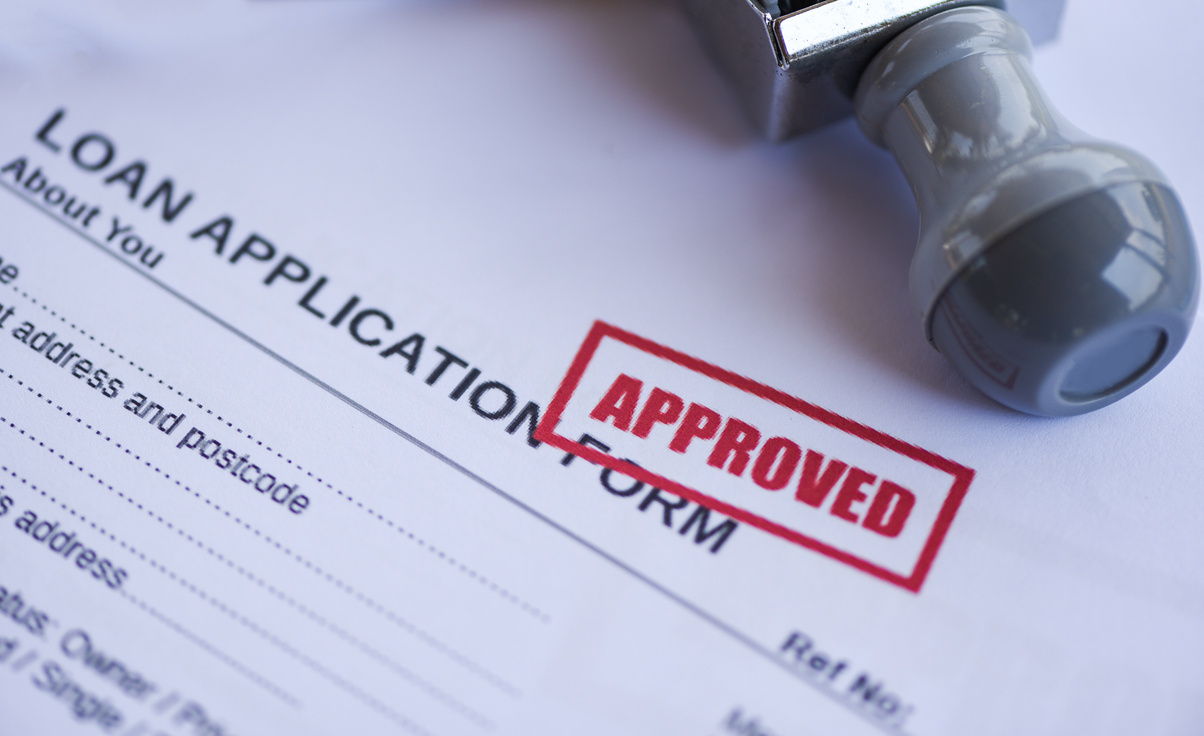
Do you know how much house you can afford? In order to find out, you should talk with a lender and get pre-approved for a house loan.

Important things to AVOID while you’re trying to get a mortgage
See Next Page
The next step you’ll want to take is to speak with a lender. The lender can be your bank or a mortgage broker. If you don’t already have a relationship with someone, ask around. Anyone who has purchased a home or refinanced might be a good source of information for you. It’s important to get a feel right upfront about how much home you can qualify to purchase.
When you meet with the lender, be prepared to bring all your information with you. You will need your pay stubs, W2s, bank account statements, and the last 2 years tax returns to verify income. You also need to disclose your debt. The lender will run your credit and use your FICO scores as well as the debt listed on the report to determine your debt-to-income ratio.
Typically you will be able to borrow up to 31% of your gross monthly income with no more than a total monthly debt of about 36%....these are estimates and your lender can help you further with this. It’s important that you disclose all your debt, even if it doesn’t seem to be on your credit report. Your lender is your advocate, but the last thing you want is for something unexpected to pop up at the last minute and lose you the loan and the home.


WHAT NOT TO DO
A HOME
BEFORE BUYING

EMPLOYMENT
Don't change anything about your current employment.


be truthful
- Don't lie or stretch the truth on your loan inquiry.
- Don't overextend yourself.
CREDIT
- Don't let anyone make inquiries into your credit.
- Don't apply for new credit.
- Don't close credit card accounts.
- Don't max out or over charge existing credit cards.
**ALWAYS check with your loan officer BEFORE making any decisions with regards to money/banking transactions.
BANKING
- Don't miss loan payments
- Don't shift your finances around before getting the loan
- Don't start banking at a new institution
- Don't pay off collections or charge offs
- Don't make large deposits into your bank account or make cash deposits
- Don't deposit gift money
- Don't consolidate your debt
- Don't be a co-signer for anyone.
PURCHASING
- Don't buy a car
- Don't buy furniture or household goods on credit
- Don't make significant charges to your credit cards
- Don't spend the money you are going to use to cover your closing costs
FINAL RECAP
As you can see it can be easy to make mistakes when getting a mortgage especially when you are a first time home buyer. Hopefully, you have found this information useful and won’t make one of these financial blunders.
ESTABLISH A PRICE RANGE
How Much Do YOU Want To Spend?
Now that you know how much you can qualify for, it’s time to decide how much you want to spend on the new home. These are not necessarily the same thing. Even though you can qualify for up to about 31% of your monthly gross income, that doesn’t mean you want to do that. It’s easy to be excited about a price range and pre-qualification, but before you head out to see homes, take a moment to understand how that monthly mortgage payment might affect your lifestyle.
What other expenses do you need to include in your monthly expenditures? Do you enjoy dining out on a regular basis or perhaps a round of Sunday golf? What about vacations and children's sports clubs? There are many other demands on our income and it’s easy to feel “house poor” by delegating too much for the mortgage payment.
Lenders will help you consider all your loan options as well as give you an estimate of extra costs involved in buying a home such as homeowner’s association dues, property taxes, and extra fees. It’s important to remember that these costs will vary depending on the home you find to buy: for instance, homeowner’s association fees can vary drastically from one community to another. As you review the information you receive from your lender, make sure you notice how much is budgeted for these extra fees.
The last step you should take is to consult your tax professional. Learn how a possible new purchase will affect your taxes. If you are a first-time home buyer, you might find that even with a larger monthly payment, you may save money due to the tax savings.

evaluating locations & communities

Your research should include:
- Home listings
- Local schools and rankings
- Commute time to jobs
- Crime statistics
- Environmental considerations
- Noise considerations (trains, airports, quarries)
- Smells from farming and other industries
- Access to solar and alternative energies
- Local events, theater, art
- Shopping and dining
- Upcoming tax assessments
- Building and zoning ordinances
- Parking
Now that you have an idea of your budget, it’s time to consider where you would like to live. If you are simply looking to up or down-size, this might be as simple as looking around the corner or down the street, but most of the time it’s more involved than this. You might be moving across town or even across the country and how can you decide where the best possible community is for you and your
family.
Fortunately, there are many online tools available to help you. With websites offering everything from home listings to school and crime statistics, you can do some preliminary research to help you identify some possible options. Of course unless you’re already familiar with the area, you’ll need to see the neighborhoods in person, but you should be able to narrow the search by spending a little time online.
There are many sites available for you to peruse.

use Google Earth to zoom into the communities and homes you see.
WHY WORK WITH A REALTOR®?
5 IMPORTANT REASONS YOU SHOULD WORK WITH A REALTOR®
At A Glance
Complex, ever-changing real estate regulations.
Following a code of ethics
Help finding the right home, beyond square footage and baths.
Pricing and selling a home.
Contracts and negotiations
Complex, ever-changing real estate regulations:
Buying or selling a home is not like purchasing a plane ticket. Every home is different, and laws change every year and vary from state to state. Generally speaking, people purchase a new home every 7-10 years, and a lot can—and usually does—change between transactions.
REALTORS® are immersed in real estate, and they must stay current with all the updates in regulations, laws, contracts, and practices. Once you retain your REALTOR®, they put that knowledge to work for you.
Following a code of ethics:
When you work with a REALTOR®, you're partnering with a professional who operates according to a strict code of ethics. In place for over 100 years, the REALTOR® Code of Ethics ensures that consumers who work with a REALTOR® are treated professionally and ethically in all transaction-related matters.
WHY WORK WITH A REALTOR®?
5 IMPORTANT REASONS YOU SHOULD WORK WITH A REALTOR®

REALTORS® are immersed in real estate, and they must stay current with all the updates in regulations, laws, contracts, and practices. Once you retain your REALTOR®, they put that knowledge to work for you.
Help finding the right home, beyond square footage and baths:
Browsing online is a terrific way to start a home search—in fact, almost 90 percent of people start their home search online. But when it's time to buy, knowing all the pros and cons of a property can help you make the right decision. REALTORS® live and breathe real estate, and they can share information about a home that you wouldn't otherwise know. For example, they can tell you about the perils of polybutylene piping (a plumbing material that's prone to bursting), or the concerns with FRT plywood (a roofing material that can spontaneously combust in higher temperatures, like those in attics).
Your REALTOR® can go beyond the aesthetics and tell you important details about the homes you're considering.
WHY WORK WITH A REALTOR®?
5 IMPORTANT REASONS YOU SHOULD WORK WITH A REALTOR®
YOUR REALTOR® is YOUR advocate
Pricing and selling a home:
There are lots of sites where you can view price estimates for your home before you list it for sale, but you take a risk using them. In some markets, online estimates can be off by as much as 35 percent, and they often rely on tax records and data that are extremely outdated. REALTORS® know the local market, has access to the freshest sale data, and can price your house in line with the market to maximize your earnings.
Contracts and negotiations:
Finding the right home is the fun part. Then the real work begins. Today's contracts can be 20 pages long—not to mention addendums and riders. REALTORS® can help you navigate these complex documents and craft an attractive offer that makes sense for you. Plus, when it comes to negotiations, your REALTOR® is your advocate and can bring an objective voice to a very subjective situation.
Viewing Homes and Writing an Offer


THE LOCATION
Once you purchase your house, You can always have things inside changed but you cannot change your home's location. When you go house hunting, consider location as an important factor in your home. Also consider factors like: Ease of access, traffic, noise, commute time, play areas, schools, and public transportation.

THE SITE
Beyond location, look at the site of the home. Do you have lots of stairs to climb? Do the neighbor's windows look directly into the home? Is the front yard suitable for kids or pets?

THE WINDOWS AND LIGHTING
Do you love a bright sunny room or do you love privacy? Look at your potential home with light and sunshine in mind. Look at locations of electrical outlets. Will they suit your lighting needs?

WANTS AND NEEDS
Consider your list of needs and wants as you view each home and make sure you do not compromise on essentials because you’ve fallen in love with the kitchen backsplash.

THE OFFER
Once you find a home you’d like to write an offer on, your agent will supply important information like the asking price and terms. If you can’t offer full price, sometimes offering a quick escrow or fewer contingencies can still help you succeed with your offer.
UNDER CONTRACT
What Happens When You Are Under Contract?
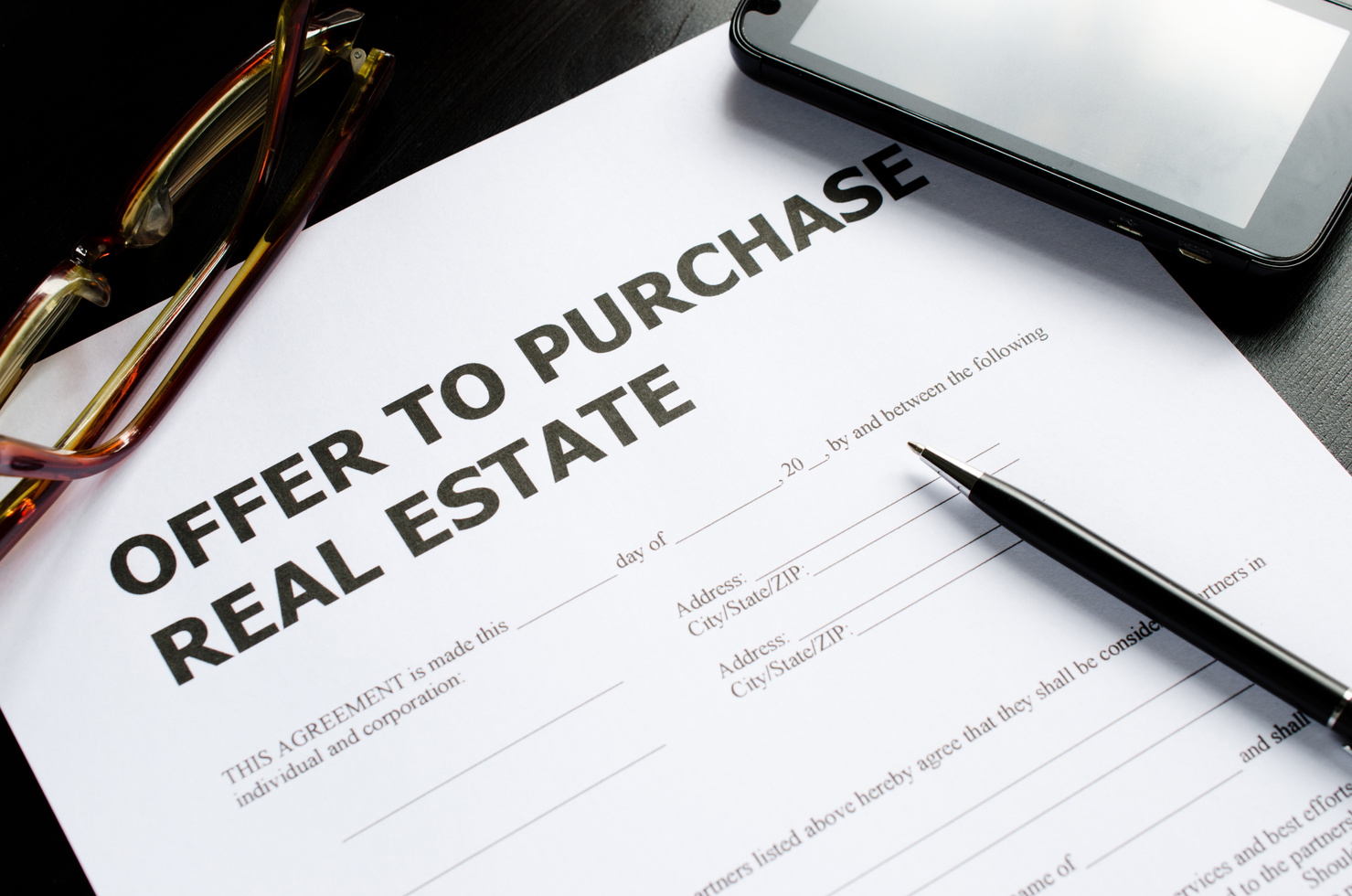
Once the sellers accept your offer, you may enter an inspection period. This is also the time during which you should hire a home inspector and complete any and all final due diligence and investigations of the home condition. It's a good idea to interview home inspectors and ask for recommendations as to what type of due diligence may be needed. In addition to a home inspection, there are several other inspections you may consider such as lead inspection, radon inspection, water test, septic inspection, pest inspections, and more. It is a good practice to work with an inspector who is familiar with the area and who is licensed so that they understand the nuances of the construction, materials, and climate that could impact the health and safety of homes in the area.
The sellers may provide you with a complete disclosure of issues they are aware of with the home and neighborhood for you to review (this is required by law in some states). During the inspection period, you can still cancel the purchase without any financial penalty, so this is the time to check out the community, the home, and any factors that may affect your use and enjoyment of the property.
While it is possible to waive the inspection period, it's never a good idea, since it puts any earnest monies deposited at risk.
contingencies

Typical contingencies include:
- Home inspection
- Mold or Environmental inspection
- Pest inspection
- Septic inspection
- Water tests
- Appraisal, the home must appraise for the offered value (only if you include an appraisal addendum)
- Mortgage
- Clear title, the sellers much have the legal ability to sell
- Insurability, you must be able to obtain reasonable home fire insurance
- HOA, this includes the condo documents and condo financials
- Home Sale/Suitable Housing
As soon as you have entered into an agreement with the sellers, you begin the contingency period. This is the time to do all your investigations regarding the property and your ability to enjoy living in the home. Purchase contracts include a variety of contingencies that must be released in writing or they remain in effect. Until you remove these contingencies, you can still cancel the transaction with little to no monetary penalty.
One of the most common misunderstandings about contingencies is that as long as the seller fixes the issue, the buyer must complete the sale. This is not true. For instance, if the home inspection discovers a root problem with a tree that is pulling up the sidewalk, the seller might take out the tree. But what if there are a few other similar trees on the property? They could eventually cause a problem, as could the roots which were left in the ground. As you can see, the buyer has the option of canceling based on the desire not to acquire possible future problems.
This is the time to do all your investigations regarding the property and your ability to enjoy living in the home.

REQUEST FOR REPAIRS
WHAT TO DO DURING THE INSPECTION PERIOD
The contract is an "as is" contract. However, during the inspection period, if the home inspector discovers an issue the buyers are uncomfortable with, they can ask the sellers to make repairs. This is a formal request for repairs. The form used will release the buyer’s home inspection contingency if the seller agrees to the repairs, so it’s important to take this step once all inspections have been completed and issues uncovered.
If the seller refuses to do the repairs as requested by the buyer, the buyer may cancel the contract and receive their full deposit back. This must be done before the inspection period is over.
Once the seller receives the request for repairs they can:
1. Agree to the requested repairs
2. Refuse to do any or all of the repairs
3. Offer a monetary amount in lieu of making repairs
Just like the original contract, a request for repairs can have several counter-offers made before an agreement is made. Again it’s important to realize that once the parties come to an understanding, then the home inspection contingency is removed and the buyer cannot use that as a reason for cancellation without a possible monetary penalty.


What kind of house do you want?
For some homebuyers, living in a particular neighborhood takes over all other priorities, but for others, the home itself matters more.
Ideally, you’ll find the perfect home in the neighborhood you love at a price that’s below your budget, but realistically, you will have to make some compromises if you have a long list of requirements.

How many bedrooms do you need?
Do you want a garage?
Is a walkable neighborhood important?
Do you require a particular school system?

Real estate cannot be lost or stolen, nor can it be carried away. Purchased with common sense, paid for in full, and managed with reasonable care, it is about the safest investment in the world.
-Franklin D. Roosevelt
THE CLOSE
The closing is often not as dramatic an ending as you might expect. By this time the loan approval has been completed and mortgage documents signed. The close is really just the day the title transfers from sellers to buyers. This is accomplished in a series of steps which involve:
- Final walk-through and systems check
- Signing the closing documents
- Funding the loan
- Recording the deed
That’s it! You own the new home!
Buying a home is exciting! By taking it step-by-step, you can easily navigate the process and find the right home for you and your family.


LET’S GET STARTED.



LETS CONNECT!




Offices Throughout ma, nh, ct, RI & fl
MIKE LEE
green designated realtor®
mlee@lAERREALTY.COM
(978) 855-3031
linktr.ee/mikelee.realtor